overview
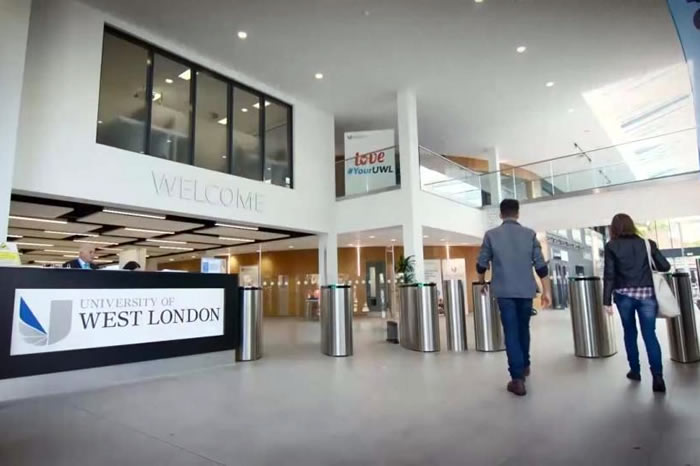
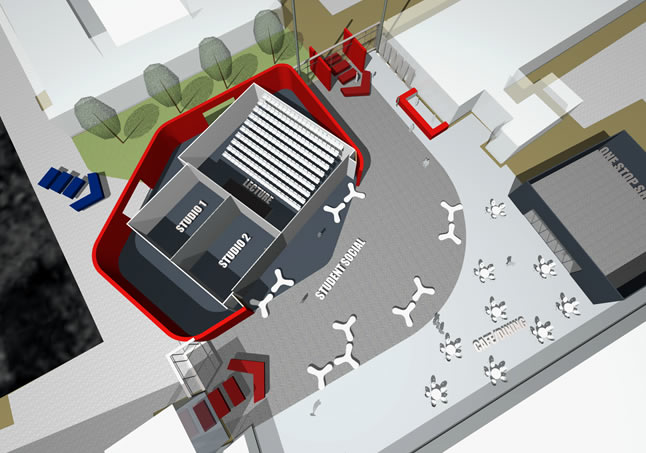
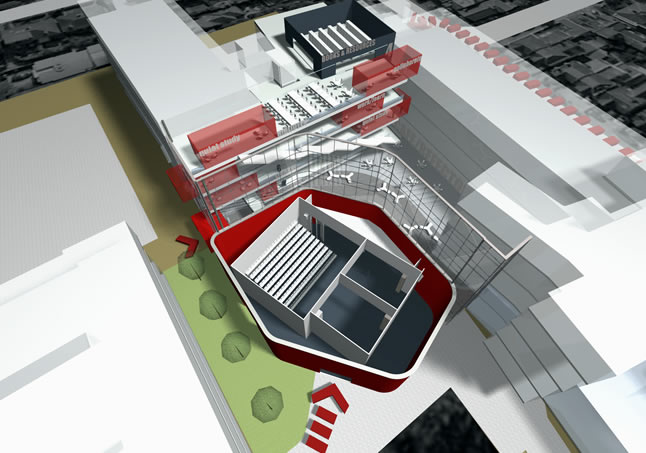
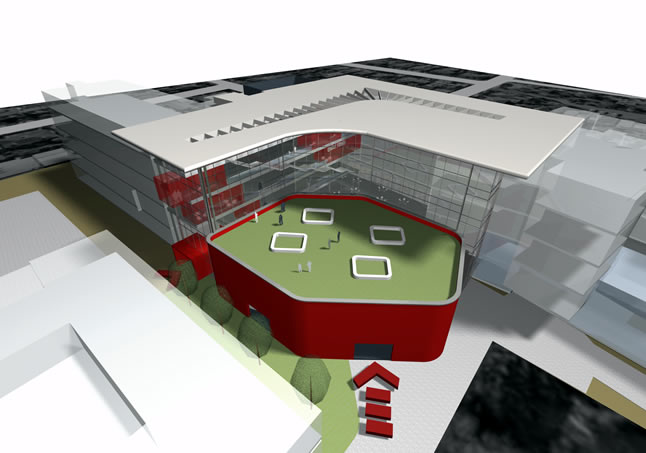
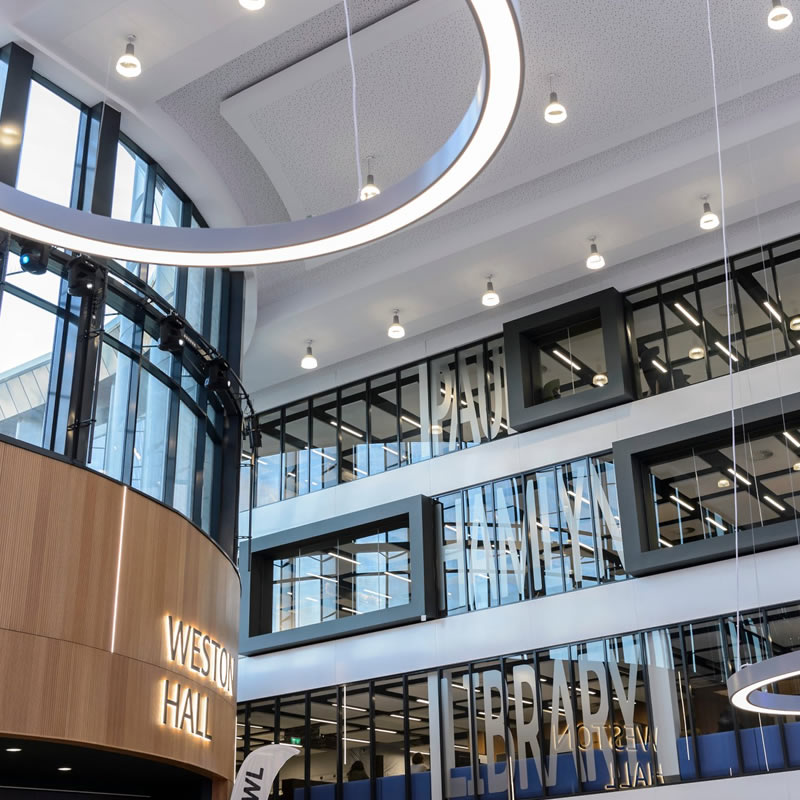
The University of West London’s ‘Heartspace’ project transformed the existing campus courtyard into a vibrant new hub for students, staff and the wider university community. The development incorporates a four-storey atrium, flexible performance centre, additional classrooms, a library and a gallery connecting the performance space with the refurbished Student Union. As MEP consultants, we provided the mechanical and electrical design for the project, while also supporting a wider strategy to improve the energy performance and carbon efficiency of the existing building.
the brief
The project required the creation of a new, multifunctional campus hub that would bring together a range of academic, cultural and social spaces. Our role was to deliver the MEP design for the new ‘Heartspace’ development, ensuring that the building services supported the varied requirements of the new spaces — from flexible performance areas and teaching environments to the library, gallery and student facilities. A key part of the brief was also to understand how the existing building could be improved from an energy and carbon perspective as part of the wider refurbishment strategy.
THE CHALLENGE
A significant challenge was addressing energy inefficiencies within the existing building while ensuring that investment was focused where it could deliver the greatest benefit. A detailed model of the existing building was developed to identify the most effective opportunities for energy and carbon savings. This allowed the project team to assess potential interventions and understand where the biggest improvements could be achieved. The challenge was to balance the technical requirements of the refurbishment with the available capital investment, maximising carbon reduction without unnecessary expenditure.
THE OUTCOME
The energy modelling provided a clear evidence base to inform the refurbishment strategy and prioritise the most effective energy-saving measures. By identifying the areas with the greatest potential for improvement, the project was able to target investment towards the interventions capable of delivering the biggest carbon reductions for the lowest capital outlay. Alongside the MEP design for the new ‘Heartspace’, this approach helped create a modern, flexible and energy-conscious university environment that supports a wide range of academic, cultural and social activities.