LOCATION: Suffolk
OVERVIEW
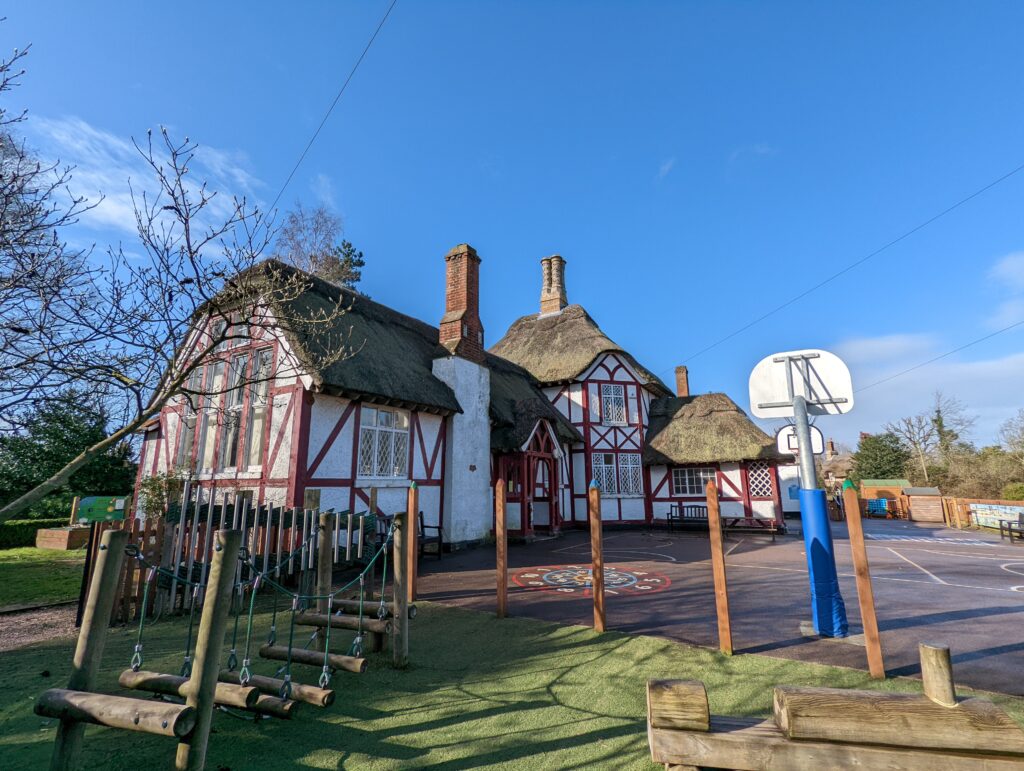
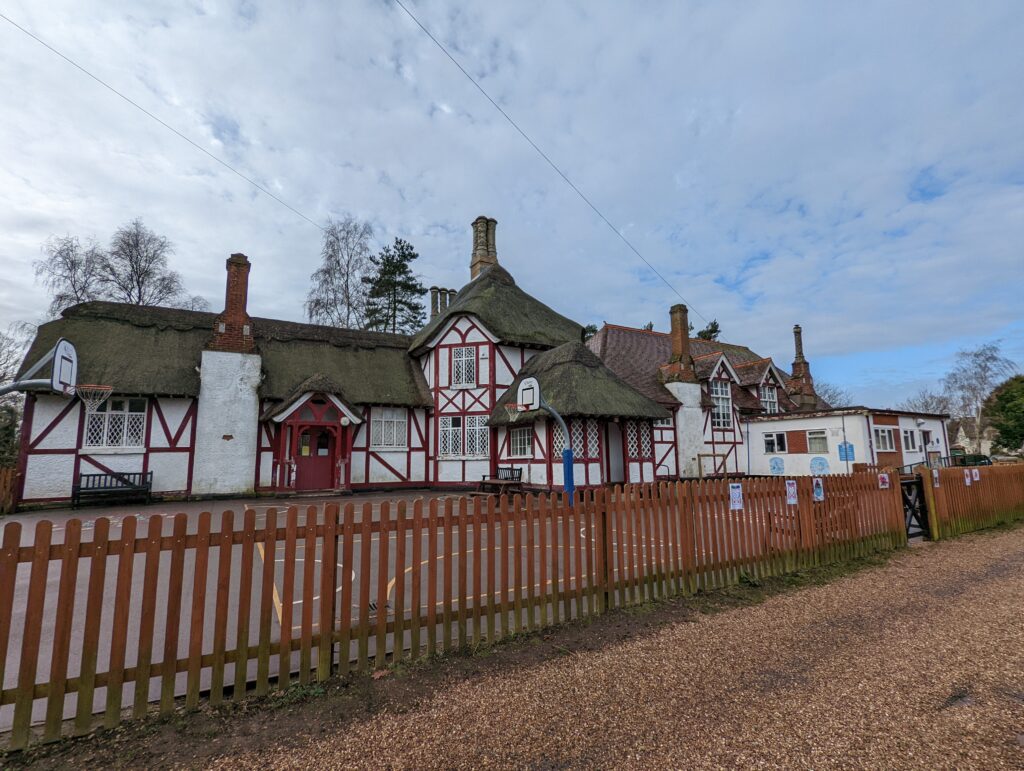
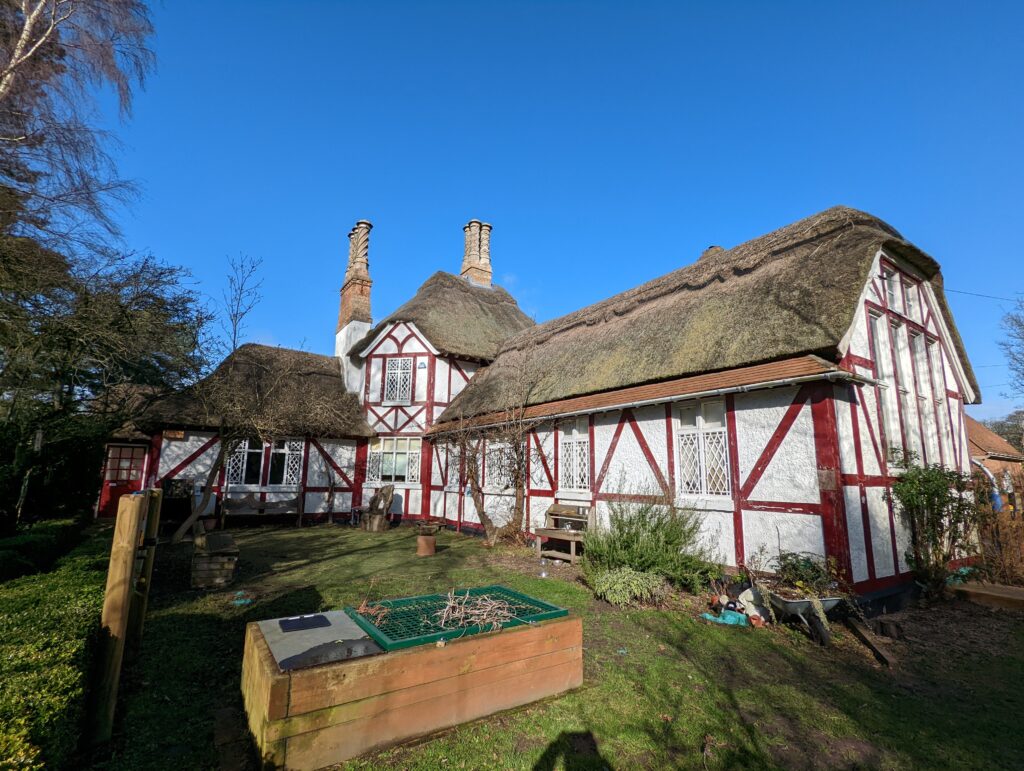
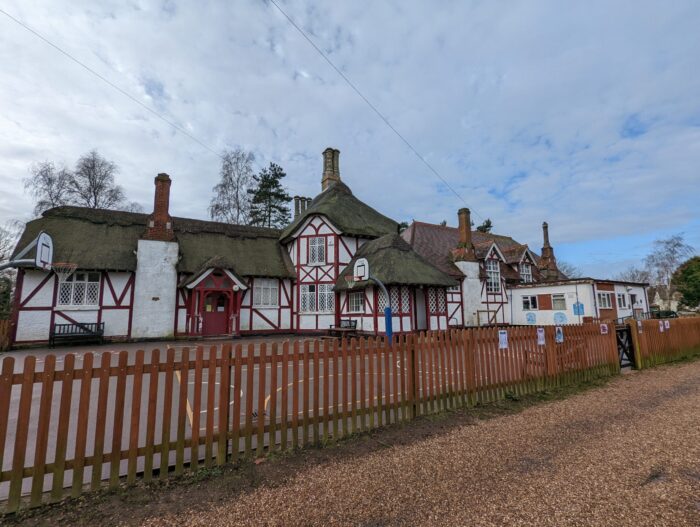
The MEP Consultancy Co supported the decarbonisation of a historic school building in Suffolk originally constructed in 1845, helping to transform its energy performance while preserving its distinctive architectural character. Working with the Academy Trust, we supported the project from the initial Public Sector Decarbonisation Scheme (PSDS) funding application through to the mechanical and electrical design, tender process and project management through completion. The project combined improvements to the building’s thermal envelope with low-carbon heating technology and upgraded building services, creating a more energy-efficient and sustainable learning environment.
BRIEF
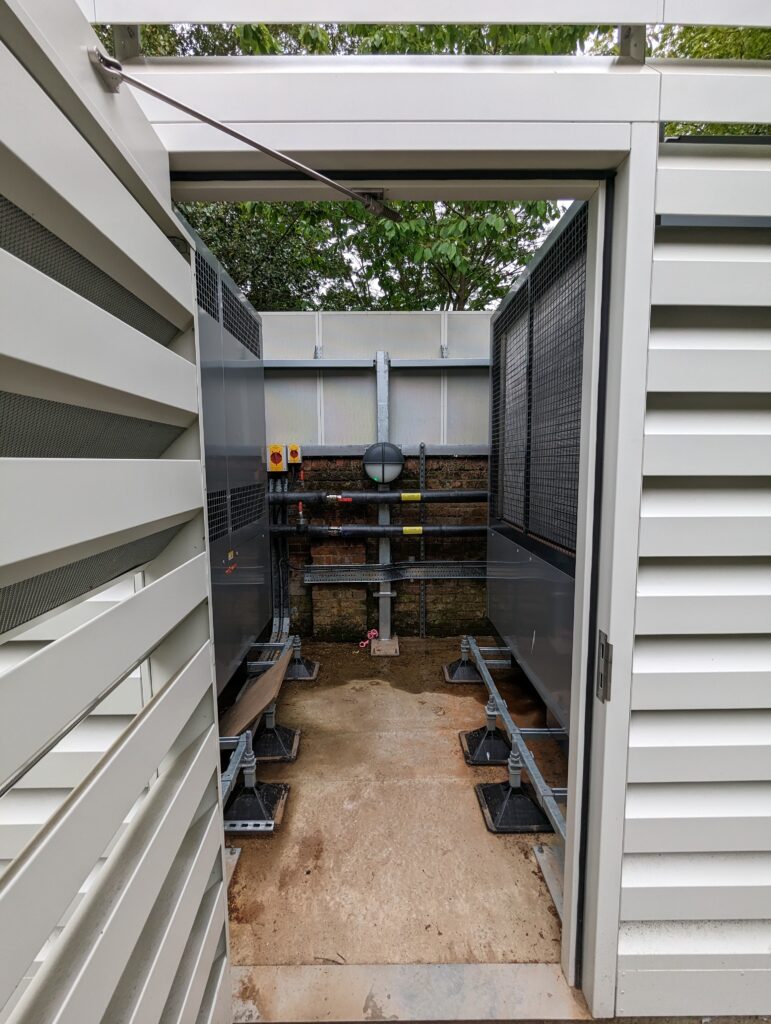
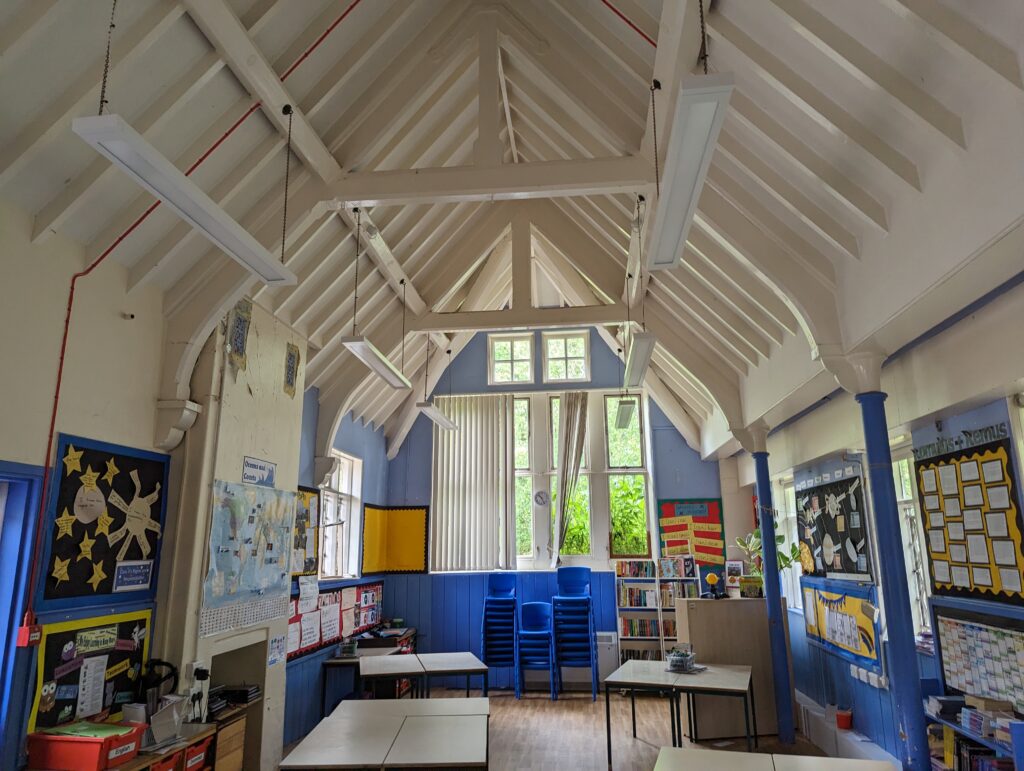
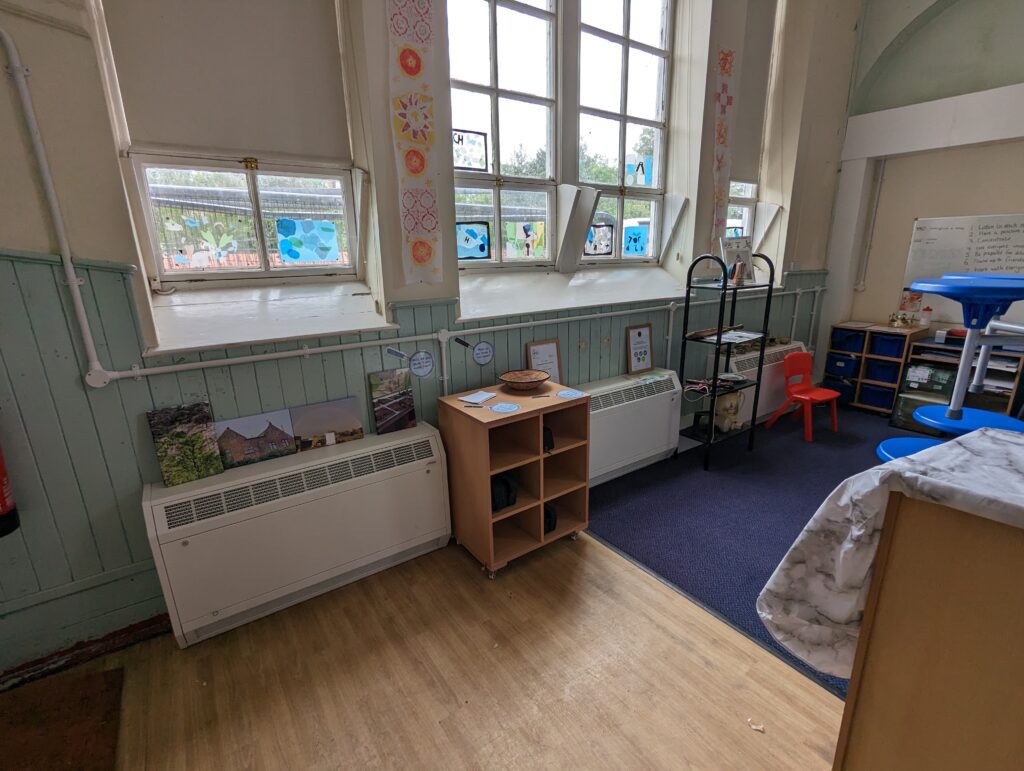
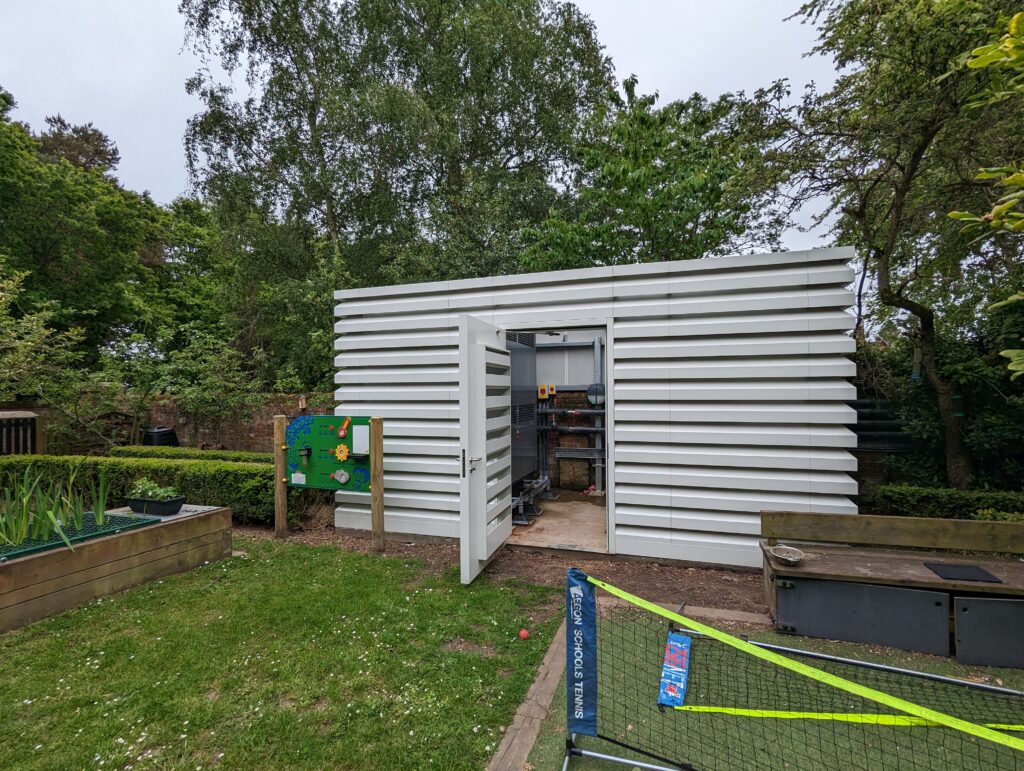
Our objective was to modernise the school’s building services and reduce its carbon emissions while respecting the constraints of a historic building featuring a thatched roof and single-pane glazing. We prepared the supporting evidence and technical documentation for a successful PSDS Phase 3 funding application, securing approximately £602,000 to support mechanical, electrical and building fabric improvements. The scope included improving the building’s thermal performance, installing air source heat pumps (ASHPs), upgrading heating distribution and heat emitters, delivering associated electrical improvements and LED lighting. A key priority was to ensure the building fabric and heating system worked together effectively, enabling the school to benefit from low-carbon heating while retaining its historic character.
CHALLENGE
Decarbonising a building dating back to 1845 required a considered approach to balancing sustainability objectives with the practical and architectural constraints of the existing structure. The original building envelope, including its single-pane glazing and tractional thatched roof, presented significant heat-loss challenges. Improving thermal performance was essential to making the building compatible with air source heat pumps, which operate most efficiently at lower heating flow temperatures. The challenge was to identify and coordinate improvements that would reduce heat demand, support efficient low-carbon heating and deliver meaningful carbon savings, while preserving the school’s distinctive appearance. Securing grant funding was also a critical part of the process, requiring robust supportive evidence and a coordinated decarbonisation strategy to demonstrate the proposed improvements and their benefits.
OUTCOME
The project delivered a coordinated package of fabric improvements and building services upgrades, helping bring the school’s energy performance closer to modern standards while retaining its historic character. The improved glazing and loft insulation reduced heat loss, supporting the installation of air source heat pumps operating at lower flow and return temperatures. New heat emitters, distribution pipework, electrical upgrades and LED lighting completed the wider decarbonisation works. By supporting the project from funding application and decarbonisation planning through to detailed design, tendering and project management, we helped turn a sustainability ambition into a deliverable scheme.
This project demonstrates the importance of integrated approach to decarbonisation, combining improvements to the building fabric with carefully designed low-carbon heating systems to support long-term energy efficiency and carbon reduction.